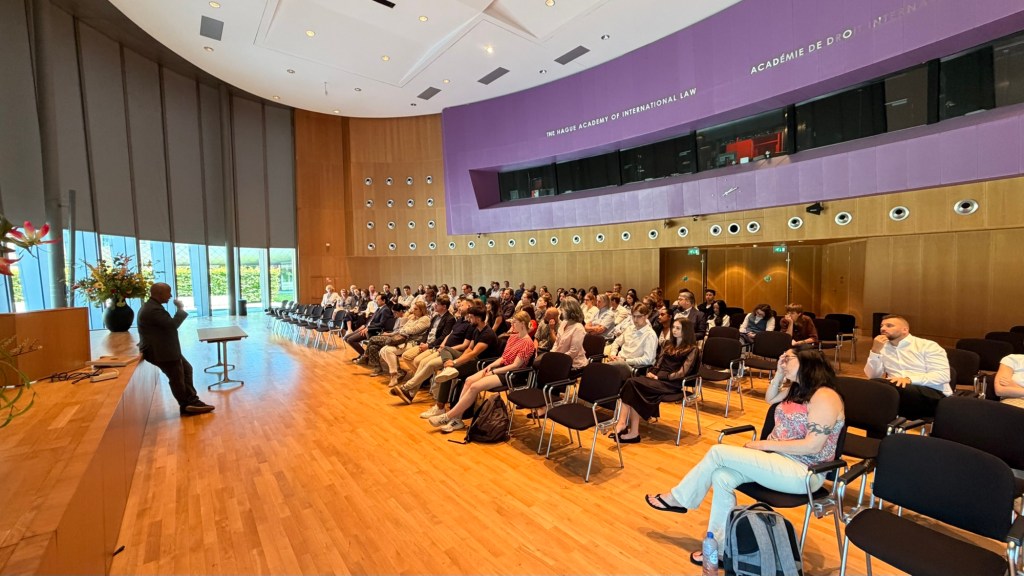
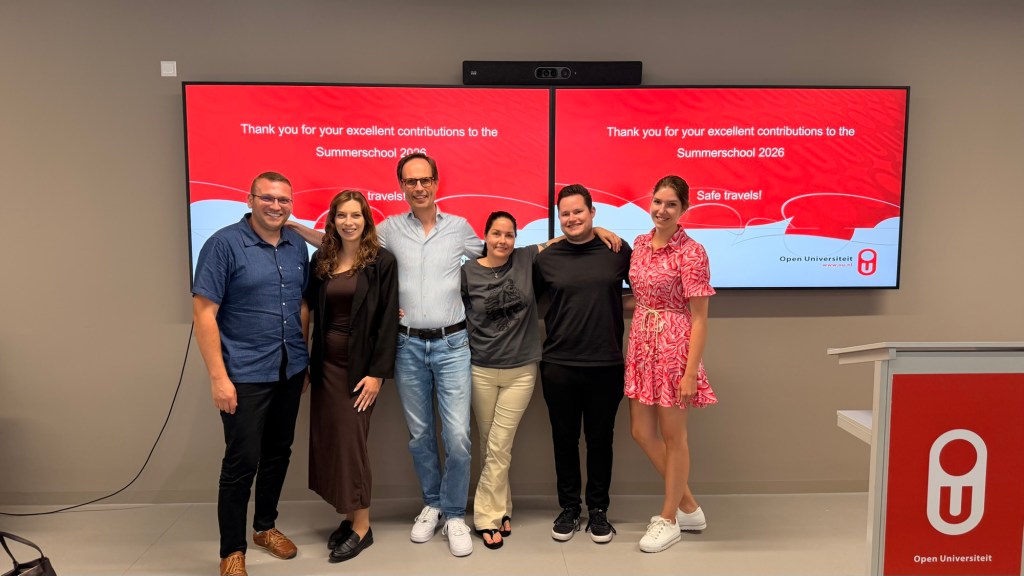
Sitting in my hotel room in Den Haag, watching the sun slowly disappear beyond the sands of Scheveningen and the North Sea, it is difficult not to reflect on what has been an intellectually stimulating and genuinely memorable week at the EDELNet LLB’s Summer School in The Hague.
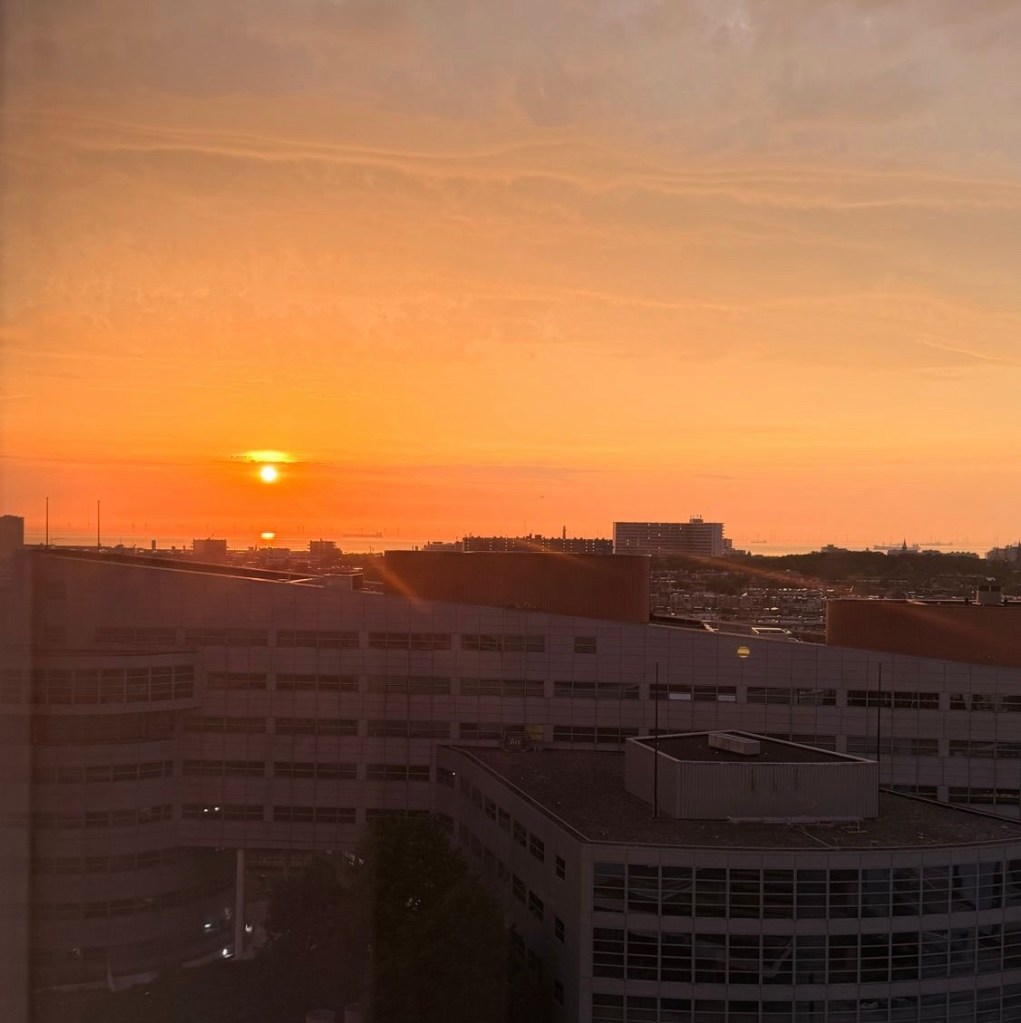
The waves roll steadily onto the beach below, tourists take their final evening strolls along the promenade, and the skyline begins to fade into shades of orange and gold. It feels like an appropriate setting to think about constitutions, democracy, and the rule of law in shaping societies.
Over the past week, I have had the privilege of engaging with students and academics from across Europe, exploring some of the most pressing constitutional questions of our time. The programme challenged us not only to understand constitutional law as a collection of legal rules, but also as a living framework that reflects a society’s values, aspirations, and struggles.
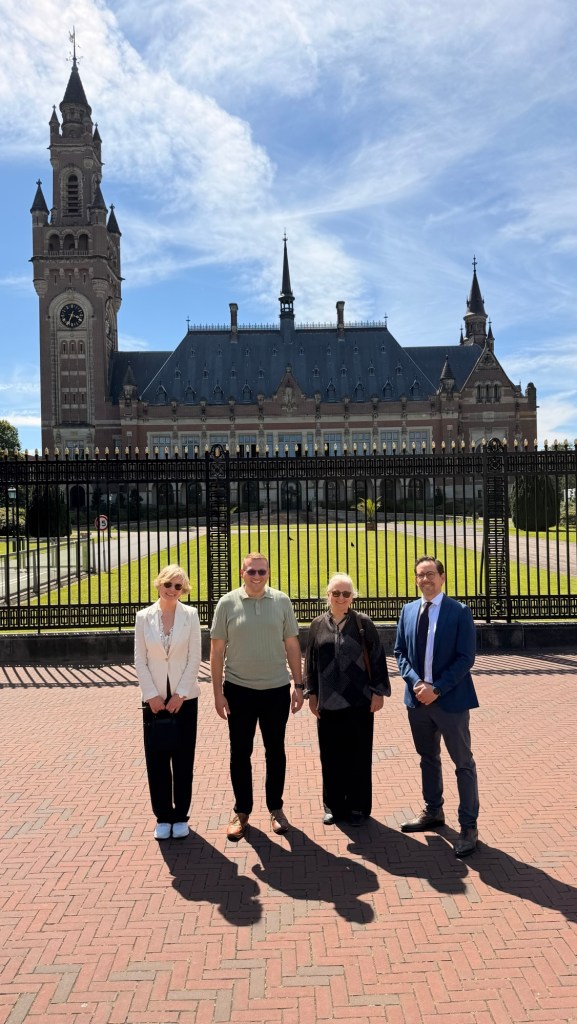
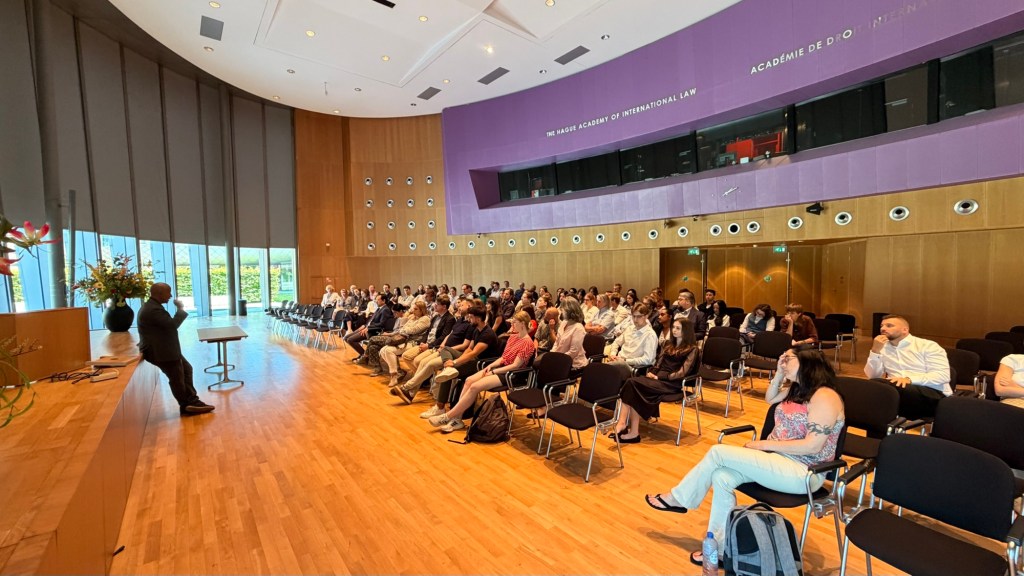
Several lectures stood out. The session on Constitutional Courts and Militant Democracies was particularly thought-provoking. It explored the difficult balance between protecting democratic freedoms and defending democracy itself from forces that seek to undermine it. Equally compelling was the lecture on Constitutional Concepts: Brexit and the Rule of Law in Global Context, which highlighted how constitutional principles are tested by political realities and changing public expectations. Both lectures demonstrated that constitutional law is far from abstract; it remains deeply connected to contemporary political and social challenges.
One of the most memorable moments of the week was the opportunity to engage with Judge Dire Tladi. Listening to his reflections on international law, judicial responsibility, and the evolving challenges facing the international legal order provided a perspective that no textbook can fully capture.
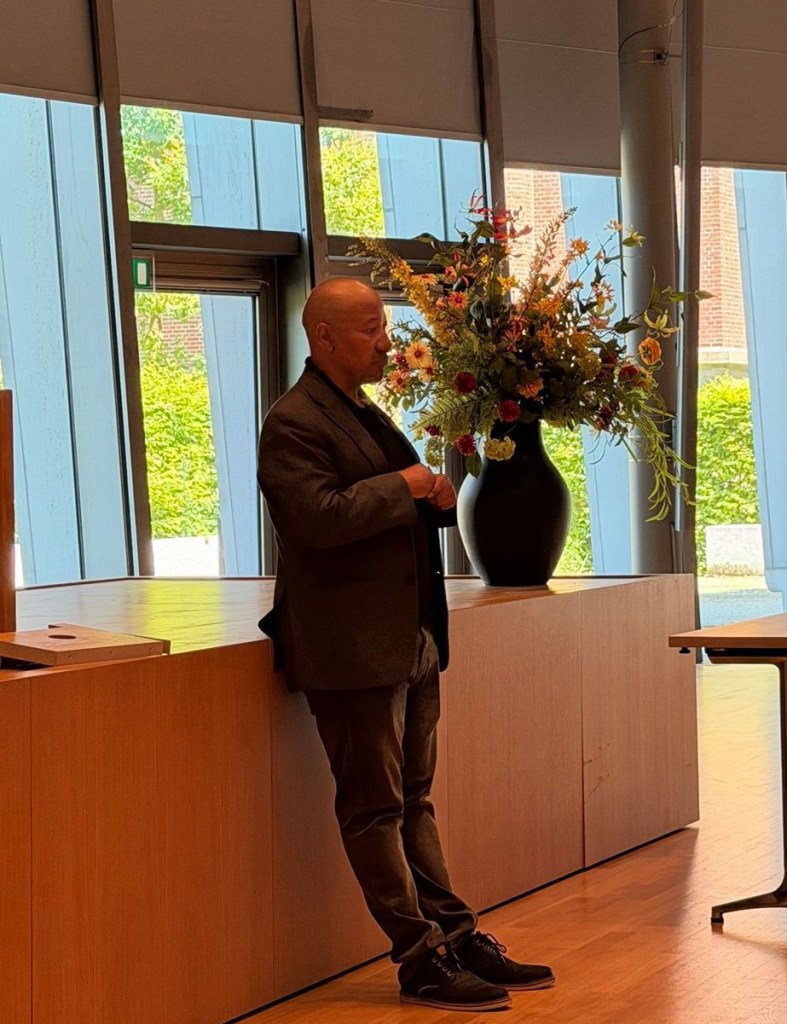
“Do what’s in front of you to the best of your ability.” Judge Tladi
What struck me most was the balance between intellectual rigour and practical experience. It was a reminder that behind every judgment, every legal principle, and every institution are individuals tasked with making decisions that affect societies and generations.
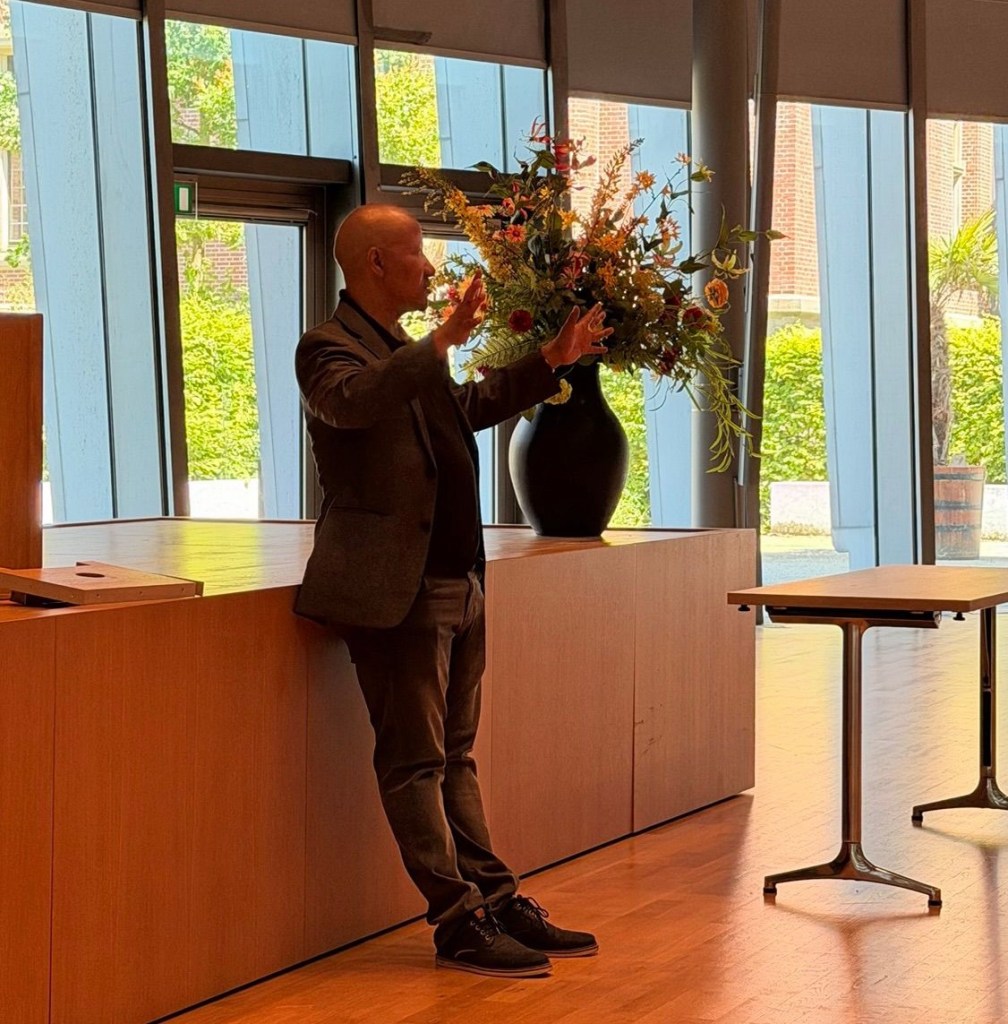
“International law is not in crisis. International Law is what it is because it’s a reflection of geopolitics.” Judge Tladi
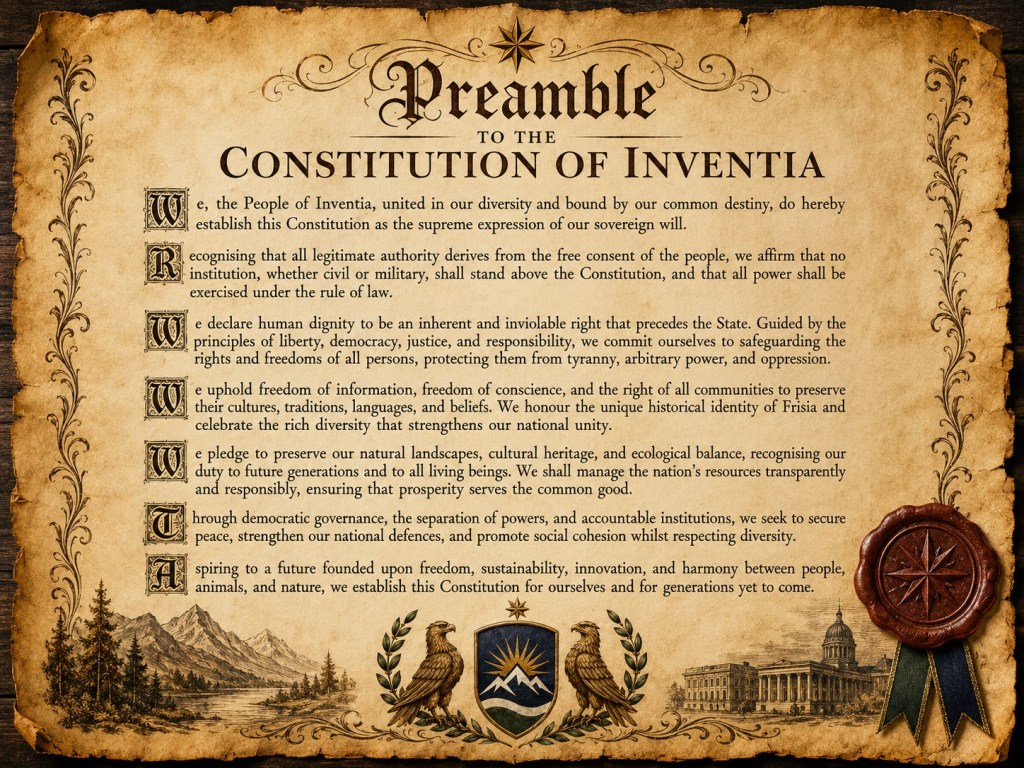
Beyond the lectures, much of our time was spent working collaboratively on a constitutional design exercise centred on the fictional state of Inventia. At first glance, Inventia appeared to be an academic simulation. In reality, it became a fascinating exercise in constitutional imagination.
Our group was tasked with drafting a preamble to Inventia’s new Constitution. To do this, we examined constitutional preambles from around the world, analysing how different nations express their foundational values, sources of authority, and visions for the future. We debated concepts such as sovereignty, democracy, human dignity, national identity, environmental protection, and the role of constitutional principles in uniting diverse populations.
The exercise quickly revealed that writing a preamble is about far more than choosing inspiring words. A preamble reflects a society’s history, addresses its challenges, and articulates its aspirations. In Inventia’s case, we had to consider a nation emerging from authoritarian rule, facing social tensions, and grappling with concerns about military influence in politics. Every sentence required careful thought. What values should be emphasised? How should power be limited? What message should be sent to future generations?
As law students, we often spend our time interpreting constitutions written by others. This exercise challenged us to become constitution-makers ourselves. It was an opportunity to think not only about what constitutions are, but what they should be.
Perhaps that is what I will remember most from this week: the recognition that constitutional law sits at the intersection of law, politics, history, and human aspiration. Constitutions are not merely legal documents; they are statements of collective purpose. They tell societies where they have come from, who they are, and where they hope to go.
As the last traces of sunlight disappear over Scheveningen Beach and the lights along the coast begin to shine, I find myself leaving The Hague with more questions than answers—and that is probably the greatest success of any academic experience. The Summer School did not simply provide information; it encouraged reflection, debate, and curiosity.
For that, I am deeply grateful.
Keep the faith and seek justice — Manuel


Leave a Reply